Below's The Most Significant Aspect Regulating Where Your Body Gains Fat
It can be frustrating when you feel like you're doing every little thing you ought to be doing-- consuming well, exercising, getting sufficient sleep-- and you're still not where you want to be. If that's you, take a deep breath and give yourself some elegance today. Bear in mind that these healthy and balanced practices are still doing fantastic points for your body, also if you're not seeing the fat burning results you want. For many individuals, fat circulation is mainly determined by inherited attributes. Genetics impact where the body often tends to bring volume, whether a person shops much more around the waistline or the reduced body, and just how quickly particular regions respond when they try to lose weight. That is one factor two individuals complying with similar plans might see really various patterns of adjustment.The Effect Of Exercise On Abdominal Fat
The factor is that some body locations are much more immune to fat loss, not practically effort. Genetics, hormones, baseline muscular tissue mass, and natural fat distribution all impact where the body stores fat, where it has a tendency to keep fat initially, and where it is slower to release fat. Simply put, the body makes a decision fat loss patterns according to biology, not Anti-aging skin therapies motivation alone. Adipose tissue (body fat) serves a range of functions within the human body. Fat cells additionally assists to support the body organs and works as insulation for the body (Mittal, 2019). A sensible, sustainable rate is 0.5-- 1 pound of total fat loss weekly.Unexpected Reasons For Weight Gain And When To Stress
While running can tone your legs, that full body fat loss you're looking for requires a mix of toughness and cardio. There are a variety of researches to confirm this, so do not allow anyone encourage you that either one is far better or even worse. The CIM camp points to a expanding body of study that reveals that high-fat diets result in more weight loss than high-carb diet regimens over the long term. Various other research study recommends that some people may be more susceptible to carbs than others and, as a result, most likely to put on weight when they eat them.- You will not, nevertheless, have the ability to decrease your body's overall capability to save those calories.Prior to they are utilized, though, the triglycerides need to come out of storage in the fat cells and convert to glycerol and free fatty acids.Where a female goes down fat first normally corresponds with where she most just recently put it on, so hereditary fat distribution patterns suggest some locations return quicker.Lowering subcutaneous fat takes patience and uniformity, with healthy and balanced progress commonly varying from 0.5-2 pounds each week.COOL, or non-exercise activity thermogenesis, is a fast and very easy means to melt an additional 200 calories each day without working up a sweat.Catecholamines act via β-adrenergic receptors in adipocytes, inducing an increase in cAMP degrees, which triggers PKA and eventually improves lipolysis (Arner, 2005).
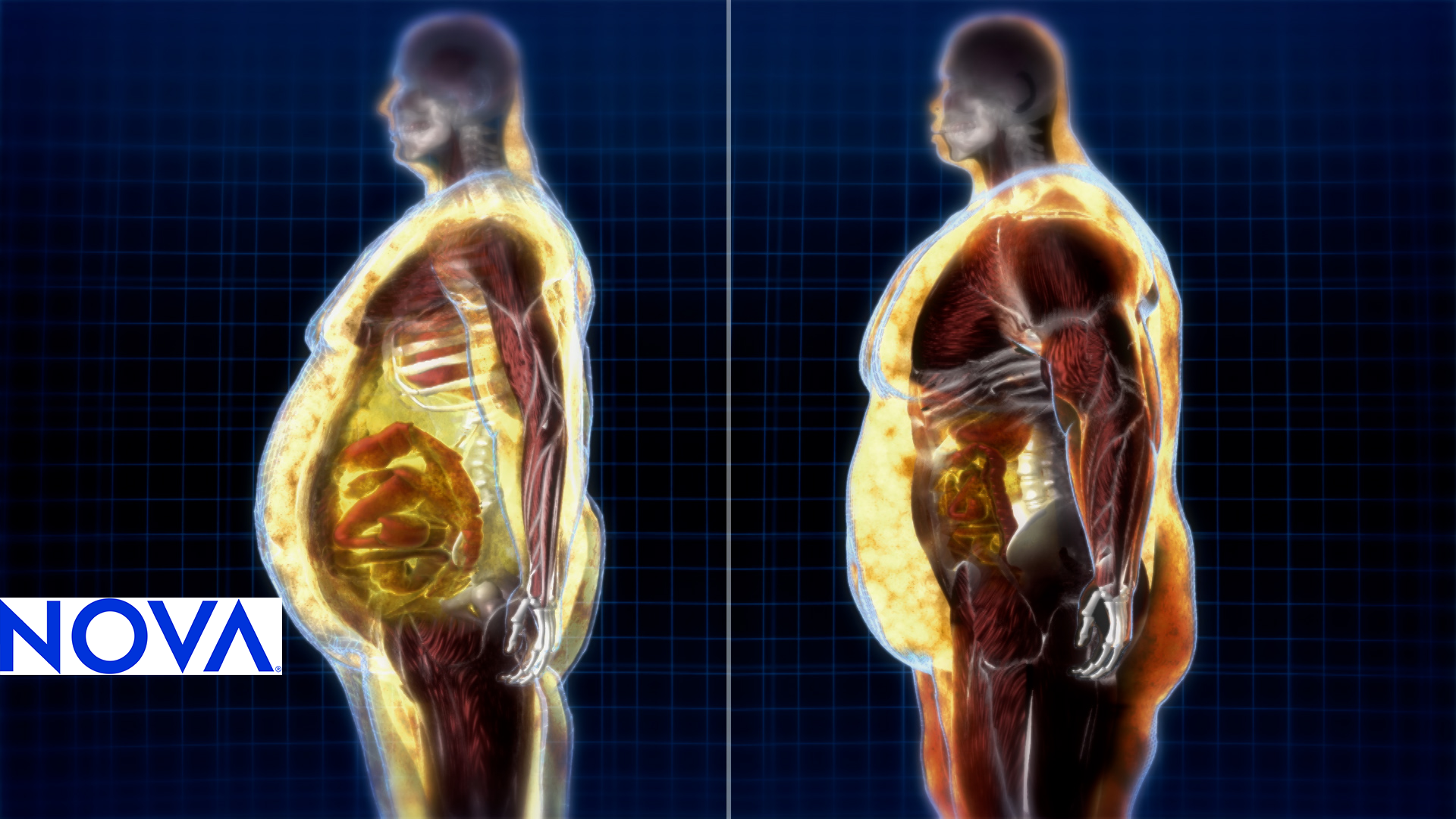
Before they are made use of, though, the triglycerides need to appear of storage in the fat cells and transform to glycerol and complimentary fats. Then they go into the blood stream and more info travel to the muscles that need them. Due to this procedure, the triglycerides used can originate from fat storage space throughout the body. They don't always come from the areas near the muscles you are working out, which is why spot reduction of fat isn't possible. If you are wishing to reduce weight in a certain location of the body initially, your results will largely boil down to genes, age, and lifestyle. Place decrease of fat down payments does not function ² as a result of the method your body uses the gets in your fat cells.
Areas with even more alpha receptors resist dissolution and cling to fat even longer. It's generated by the adrenal glands and is called a "anxiety hormone" because it aids your body react to a physical or mental threat or stress factor. Nevertheless, it's approximated that up to 8 out of 10 grownups in the USA do not satisfy these suggested aerobic and resistance training suggestions.